
The connection between gambling and mental health issues
The Psychological Impact of Gambling
The allure of gambling often comes with an unrecognized cost. It is not just about the thrill of winning; many individuals find themselves grappling with emotional and psychological challenges. Gambling can lead to heightened anxiety, depression, and in more severe cases, suicidal thoughts. These mental health struggles become intertwined with gambling behavior, creating a cycle that is hard to break.
Many people may not initially recognize the signs that gambling could be affecting their mental health. The need for a win can push individuals to gamble more, exacerbating feelings of hopelessness and stress when losses occur. This cycle can lead to a deterioration of mental wellness, making it essential to address the psychological factors related to gambling.
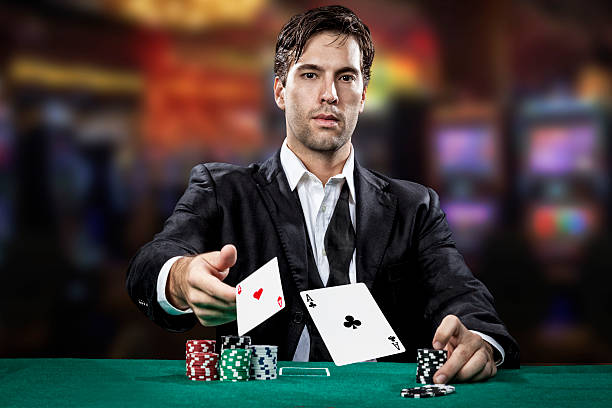
Beyond the immediate emotional turmoil, persistent gambling can strain relationships with loved ones and erode trust. Partners and family members may become frustrated and disappointed, leading to a rift that further isolates the individual. This isolation can amplify negative feelings, making it feel as though there is no escape from the gambling mindset. Hence, it is crucial to promote awareness about these psychological effects to ensure that those affected feel supported and understood.
The Link Between Gambling Addiction and Mental Health Disorders
Research has highlighted a significant correlation between gambling addiction and various mental health disorders. Individuals with pre-existing conditions such as depression, anxiety, or substance abuse issues often find themselves drawn into gambling as a form of escapism. Unfortunately, this can lead to an escalation in both gambling habits and mental health problems.
Gambling addiction can create a feedback loop wherein the individual’s mental health deteriorates, prompting them to gamble more in search of relief. This exacerbates their situation, leading to financial distress and interpersonal conflicts, further compounding their emotional struggles. Understanding this link is vital for effective treatment and support.

Furthermore, many treatments for mental health disorders may overlook the significance of gambling behavior, leaving individuals without a comprehensive support plan. A holistic approach that addresses both gambling habits and mental health conditions is essential for recovery. This often requires collaborative efforts between healthcare providers, counselors, and addiction specialists who can tailor interventions to suit the individual’s unique circumstances.
How to Identify Problematic Gambling Behavior
Recognizing problematic gambling behavior is the first step towards seeking help. Common signs include excessive time spent gambling, neglecting responsibilities, and experiencing intense emotions related to gambling results. It often becomes a priority over social interactions, hobbies, and sometimes even basic needs.
If you or someone you know exhibits these behaviors, it’s crucial to approach the situation with sensitivity. Encouraging self-reflection and open dialogue can be the first steps toward addressing the issue. Timely intervention can help steer individuals away from the deteriorating path of gambling and mental health complications.
Additionally, awareness of the financial implications is vital. Many individuals may not fully grasp how much their gambling impacts their overall financial health until it spirals out of control, leading to significant debts and stress. This financial strain adds another layer to the already complex relationship between gambling and mental health, often deepening feelings of shame and guilt. Consequently, education about these issues can empower individuals to recognize the onset of harmful behaviors before they become unmanageable.
The Importance of Support and Intervention
Support is critical for those struggling with both gambling and mental health issues. Family, friends, and professionals can play a significant role in providing the understanding and encouragement needed for recovery. Initiatives such as support groups or counseling can provide a safe space for individuals to share experiences and seek guidance.
Involving mental health professionals can offer both therapeutic and practical strategies for managing gambling addiction and underlying mental health disorders. Together, they can pave the way toward healthier coping mechanisms that do not involve risking one’s emotional well-being. Beyond emotional support, practical interventions such as financial counseling can also assist individuals in regaining control over their finances, reducing anxiety and stress related to monetary issues.
Visit Our Resource for Help
If you are looking for more information or resources related to gambling and mental health, we recommend checking out the website that focuses on responsible gambling and offers various supports: neosurf online casino australia. This resource aims to provide valuable insights into managing gambling habits and understanding the associated mental health implications.
Taking the first step towards understanding and addressing the connection between gambling and mental health can ultimately lead to a healthier, more fulfilling life. Whether you are seeking help for yourself or a loved one, know that support is available and recovery is possible.