
The psychological toll of gambling understanding the mind's battle
The Nature of Gambling Addiction
Gambling addiction is a complex mental health issue that affects individuals on multiple levels. It often starts with the thrill of winning, which can create a euphoric feeling that compels players to chase that high repeatedly. This cycle can lead to compulsive behavior, where the gambler feels an irresistible urge to play despite negative consequences. Exploring various options, including neosurf casinos, can provide insights for better managing this addiction.
The psychological battle intensifies as individuals struggle between the desire to gamble and the awareness of its detrimental effects. This inner conflict can manifest in anxiety, depression, and feelings of hopelessness, as the gambler attempts to regain lost control. Understanding this addiction is crucial for both the individuals suffering and their loved ones.
The Emotional Impact of Loss
The emotional toll of gambling is profound, particularly when significant losses occur. Many gamblers experience feelings of shame, guilt, and embarrassment after losing money. This emotional burden can lead to isolation, as individuals may feel unable to discuss their struggles with others, exacerbating their situation.
Moreover, the loss can trigger a range of negative emotions, including anger and desperation, prompting gamblers to make impulsive decisions. This cycle of loss and emotional fallout can deepen the addiction, leading players to believe that a future win is the only way to escape their current pain.
Cognitive Distortions in Gambling
Cognitive distortions play a critical role in the gambling mindset. Gamblers often fall prey to erroneous beliefs, such as the illusion of control, where they think they can influence outcomes in games of chance. These distortions lead players to rationalize their losses and continue gambling in hopes of recouping their losses.
This warped thinking creates a vicious cycle, as each loss reinforces the distorted beliefs, making it increasingly challenging to break free. Understanding these cognitive patterns is essential for effective interventions and therapy, as addressing these thoughts can help change behavior over time.
The Role of Support Systems
A strong support system is vital for individuals struggling with gambling addiction. Friends and family can provide emotional backing, helping the gambler navigate the challenges of recovery. Open communication about feelings and experiences can foster a safe environment for healing.
Professional support, such as therapy and counseling, can also play a significant role in recovery. Therapy can provide individuals with coping strategies to deal with urges and emotional turmoil, while support groups can offer shared experiences and encouragement from others facing similar struggles.
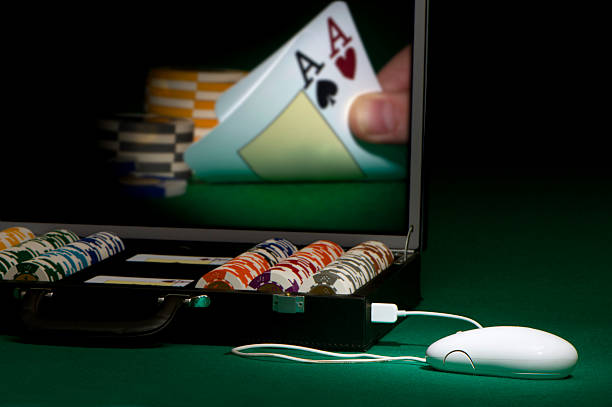
Your Path to Understanding Gambling’s Effects
Understanding the psychological toll of gambling can empower individuals to make informed decisions about their gaming habits. Our platform provides insights into gambling addiction and strategies for managing its effects. We aim to raise awareness about the importance of mental health in the context of gambling.
Whether you are a gambler seeking help or a concerned family member, our resources can guide you on this journey. We emphasize the importance of education and support to mitigate the psychological impacts of gambling, ensuring that individuals can find healthier paths forward.